Fuel Tankering Strategies: The Art of Optimizing Fuel Purchases

By the PilotLeague Team — Fuel Efficiency Module #7

In a world where jet fuel prices vary from airport to airport, airlines use a technique called Fuel Tankering. The idea is simple: carry more fuel than needed for the current leg to avoid refueling at an expensive destination. However, this strategy directly impacts aircraft weight and performance. Is it always cost-effective? Let's find out with PilotLeague.

Whether you're flying a short hop between European airports or a transcontinental route, understanding when tankering makes sense — and when it doesn't — separates efficient pilots from the rest.
Analyze Your Real Costs with PilotLeague

Every tankering decision has measurable consequences. PilotLeague tracks your fuel efficiency across entire rotations, revealing whether your choices actually saved fuel — or cost you more.

PilotLeague analyzes your operational choices in detail:

  • Total Mission Cost: We analyze whether your tankering choice actually saved virtual money (or efficiency points) over your full rotation.
  • Penalty Burn Tracking: Visualize exactly how many kilograms of fuel you sacrificed to carry your tankering reserve.
  • MLW Verification: Our app alerts you if your tankering strategy puts safety at risk during the touchdown zone at arrival.
Download PilotLeague

This article is part of our Fuel Economy Academy. Tankering builds on concepts from Weight & Balance Performance Impact and Fuel Planning Basics.

The Tankering Equation: Savings vs Extra Burn

Carrying extra fuel makes the aircraft heavier, which increases fuel consumption on the current leg (Penalty Burn). Tankering is profitable only if the fuel price savings exceed the cost of that extra burn.

Airport ACHEAPER FUELCarrying 5t extra fuelPenalty Burn: ~150-200 kgAirport BEXPENSIVE FUELSavings = Price Diff × Qty − Penalty Burn × Price A

Diagram: Tankering is profitable when the purchase savings exceed the cost of the fuel burned to carry the surplus.

Calculating Tankering Profitability

To make a tankering decision, pilots and dispatchers consult performance data like those from Skybrary's Fuel Tankering reference. The basic rules are:

  • Penalty Burn: On average, carrying 1,000 kg of extra fuel burns approximately 30 to 40 kg per flight hour (depending on aircraft type).
  • Break-even Threshold: If fuel at Airport B costs 15% more than at Airport A, tankering often becomes advantageous on flights under 3 hours.
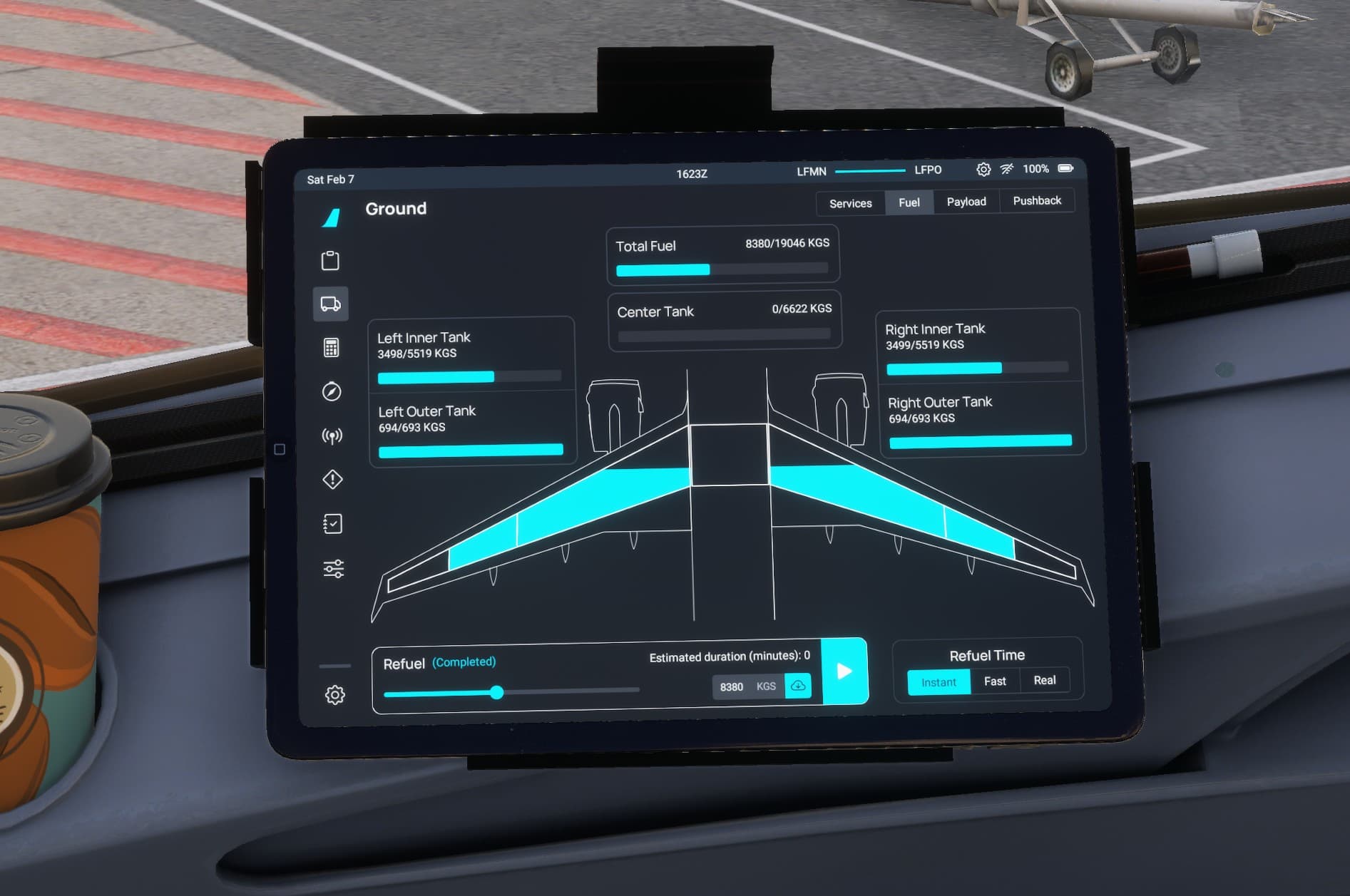
MSFS 2024 EFB Fuel Panel — Tank distribution for tankering strategy

The Limits of Tankering

Carrying too much fuel can be counterproductive:

  1. Maximum Landing Weight (MLW): Excessive tankering can push you over the landing weight limit, forcing you to hold and burn fuel before landing.
  2. Cruise Altitude: As explained in our guide to optimal cruise altitude selection, a heavier aircraft flies lower, where the air is denser and fuel consumption is higher.
  3. Brake & Tire Wear: More weight means a higher approach speed and more stress on the landing gear at touchdown.
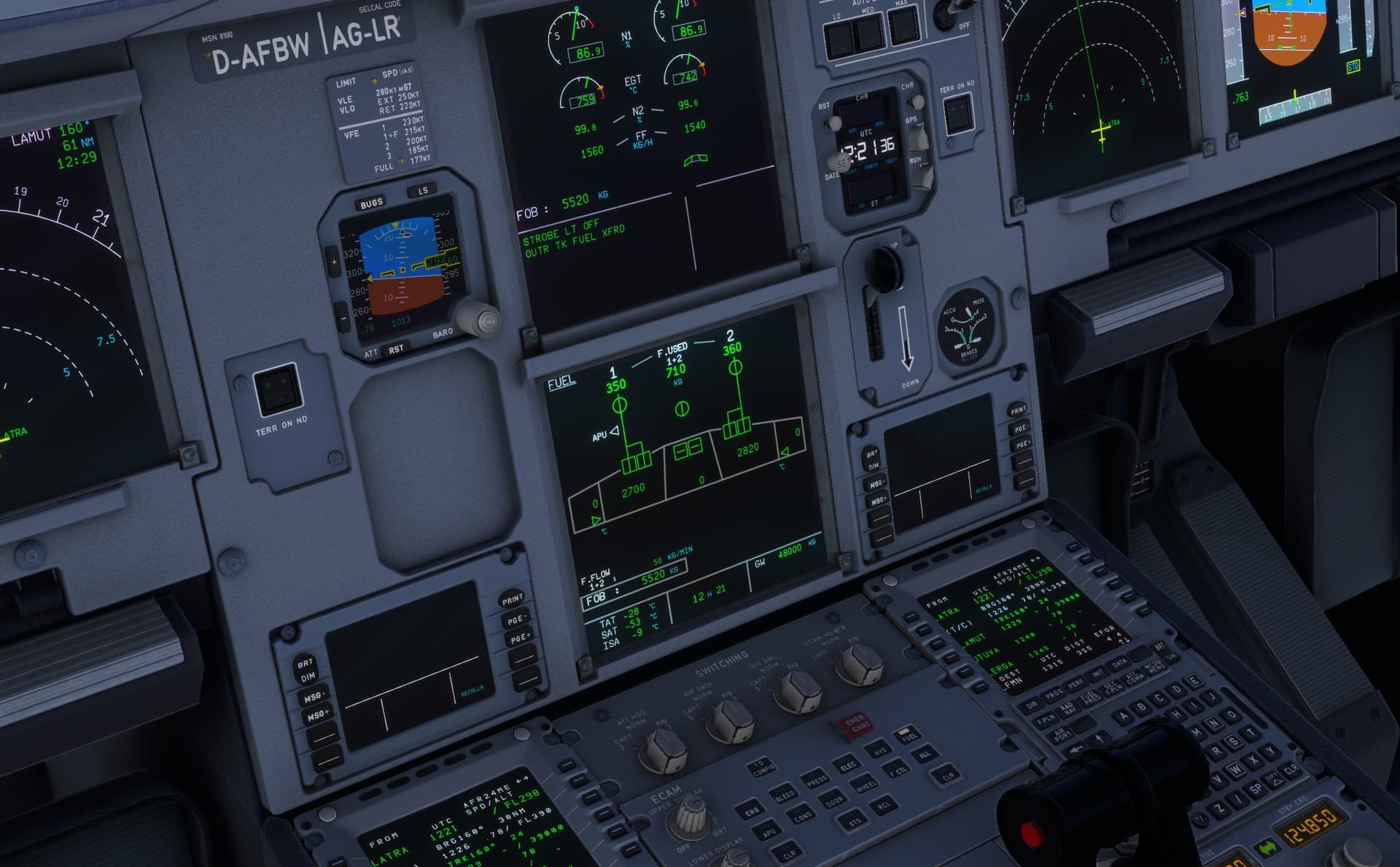
A320 ECAM Fuel Page — Monitoring fuel on board during cruise

Analyze Your Real Costs with PilotLeague

Every tankering decision has measurable consequences. PilotLeague tracks your fuel efficiency across entire rotations, revealing whether your choices actually saved fuel — or cost you more.

PilotLeague analyzes your operational choices in detail:

  • Total Mission Cost: We analyze whether your tankering choice actually saved virtual money (or efficiency points) over your full rotation.
  • Penalty Burn Tracking: Visualize exactly how many kilograms of fuel you sacrificed to carry your tankering reserve.
  • MLW Verification: Our app alerts you if your tankering strategy puts safety at risk during the touchdown zone at arrival.
Download PilotLeague

Become a Fuel Management Expert:

Fuel Planning BasicsCost Index ExplainedTOD Calculator

Tank Smart, Not Heavy

Fuel tankering is a powerful optimization tool — but only when the numbers work. A good pilot knows when to carry extra and when to trust the destination price. Master the break-even calculation, respect your MLW limits, and let PilotLeague track the real impact of every tankering decision.

Tank Smart, Not Heavy

Fuel tankering is a powerful optimization tool — but only when the numbers work. A good pilot knows when to carry extra and when to trust the destination price. Master the break-even calculation, respect your MLW limits, and let PilotLeague track the real impact of every tankering decision.

Practice Makes Perfect

Apply these techniques in your next flight and track your improvement with PilotLeague.

Download PilotLeague Free
Fuel EconomyBack to Flight Academy