Crosswind Landing Techniques: Master the Crab and Wing-Low Methods

By the PilotLeague Team - January 2026

Wind rarely blows straight down the runway. In fact, crosswind landings are among the most common challenges pilots face—and one of the most satisfying to master.

In this guide, you'll learn the two primary crosswind techniques used by professional pilots worldwide: the Crab Method and the Wing-Low (Sideslip) Method. We'll also cover aircraft limits and how to use our crosswind calculator to prepare for every approach.

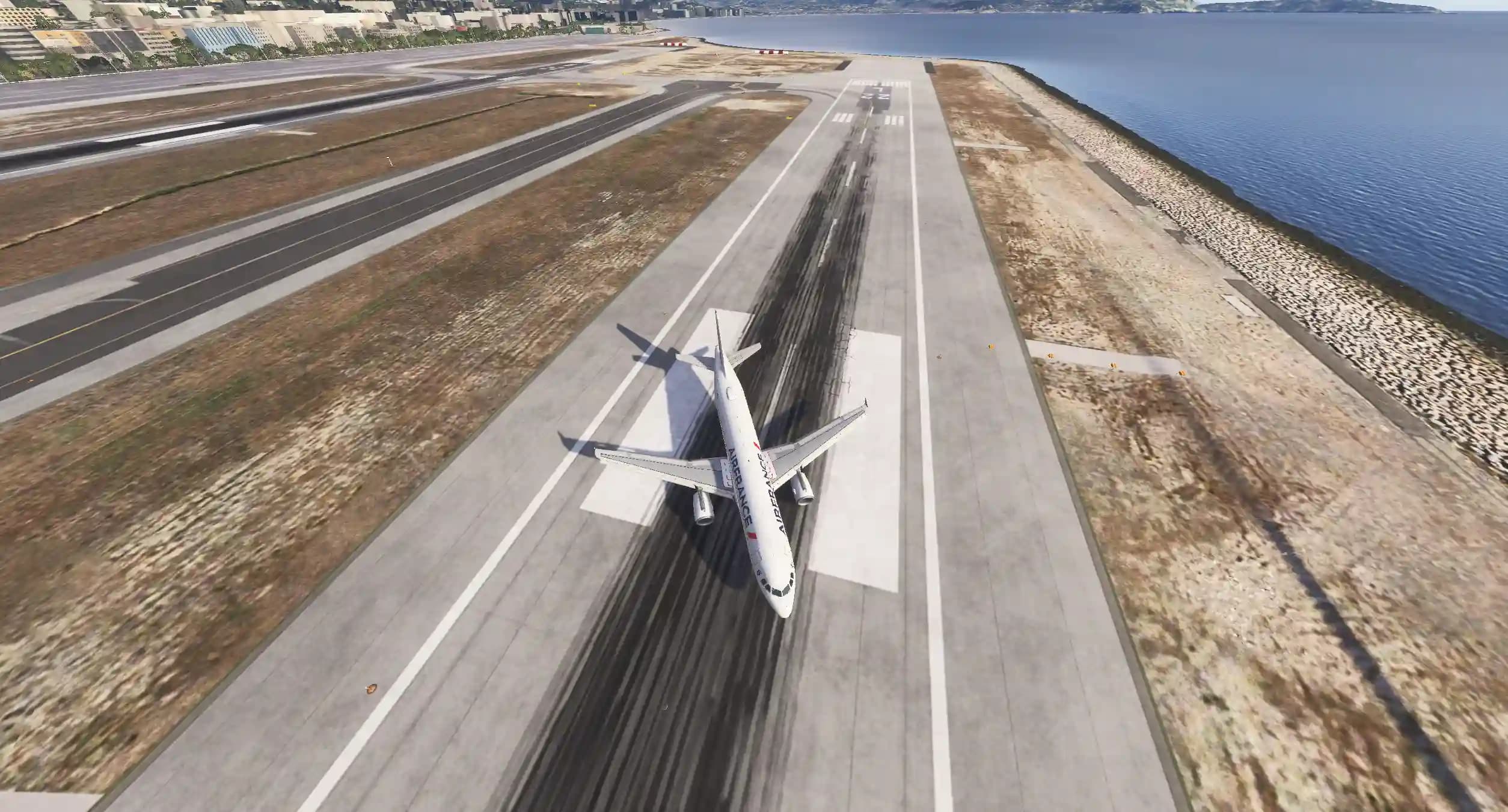
Air France aircraft executing crab technique during crosswind landing at a coastal airport in Microsoft Flight Simulator 2024

Landing in crosswinds requires excellent centerline alignment. The critical moment of de-crabbing determines if you touch down in the touchdown zone (TDZ).

Track Your Crosswind Landings with PilotLeague

Crosswind landings are a skill that improves with practice and feedback. PilotLeague automatically analyzes your landings and identifies where you can improve.

PilotLeague gives you detailed metrics on every crosswind landing:

  • Centerline Deviation: See exactly how well you maintained the centerline through touchdown.
  • Side-Load Analysis: Detect lateral forces that indicate improper de-crab timing.
  • Wind Data Overlay: See the actual crosswind component you faced on every landing.
Start Tracking Your Crosswind Landings →

Why Crosswind Technique Matters

A crosswind pushes your aircraft sideways during approach. Without correction, you'll drift off the centerline and potentially land with side-load on the gear—a recipe for a hard landing, tire damage, or worse.

The crosswind component is the portion of wind perpendicular to the runway. A 20-knot wind at 30° off the runway heading creates a 10-knot crosswind component. Knowing this number helps you decide: land, divert, or wait.

💨

Ready for Your Approach?

Check your crosswind component before every landing with our free calculator.

Calculate My Crosswind →

The Crab Technique

The crab technique is the most common method used by airline pilots. The aircraft's nose points into the wind during approach, then straightens just before touchdown.

WINDCrab AngleRunway 27Ground Track

How to Execute the Crab

  1. Turn the nose into the wind to maintain the runway centerline. The aircraft will appear to fly sideways.
  2. Maintain this crab angle throughout the approach, keeping the runway centerline steady in your windscreen.
  3. At approximately 50 feet, apply opposite rudder to align the nose with the runway (de-crab).
  4. Touch down with wings level and nose aligned with the runway heading.

The Wing-Low (Sideslip) Method

The wing-low method is preferred in smaller aircraft and during gusty conditions. You bank into the wind while using opposite rudder to keep the nose aligned with the runway.

How to Execute Wing-Low

  1. Lower the wing into the wind using aileron (bank toward the wind).
  2. Apply opposite rudder to prevent the nose from turning and keep aligned with the runway.
  3. Adjust bank angle as needed to maintain the centerline. More wind = more bank.
  4. Touch down on the upwind main gear first, then lower the other gear gently.

Pro Tip: Many pilots combine both methods—crabbing on approach then transitioning to wing-low just before touchdown. This hybrid technique reduces fatigue during long approaches.

Aircraft Crosswind Limits

Every aircraft has demonstrated crosswind limits. Exceeding these limits significantly increases the risk of loss of control. Here are typical values:

AircraftDry RunwayWet Runway
Airbus A32038 kt29 kt
Boeing 73735 kt25 kt
Boeing 78738 kt29 kt
Cessna 17215 kt12 kt

Note: These are demonstrated limits, not absolute maximums. Always check your specific aircraft's POH/FCOM for accurate values.
Continue Your Landing Mastery

The Complete Butter Landing GuidePrecision Touchdown Zone Guide

Crosswind Mastery: The Sign of a Skilled Pilot

Crosswind landings separate the novices from the experts. Practice both techniques, know your limits, and use PilotLeague to track your improvement. Soon, gusty days will be your favorite flying weather.

Practice Makes Perfect

Apply these techniques in your next flight and track your improvement with PilotLeague.

Download PilotLeague Free
Landing MasteryBack to Flight Academy